
Is This Mold? A Homeowner’s Guide to Hidden Moisture, Warning Signs, and What To Do Next
Why Mold Shows Up
And Why You Should Never Ignore It
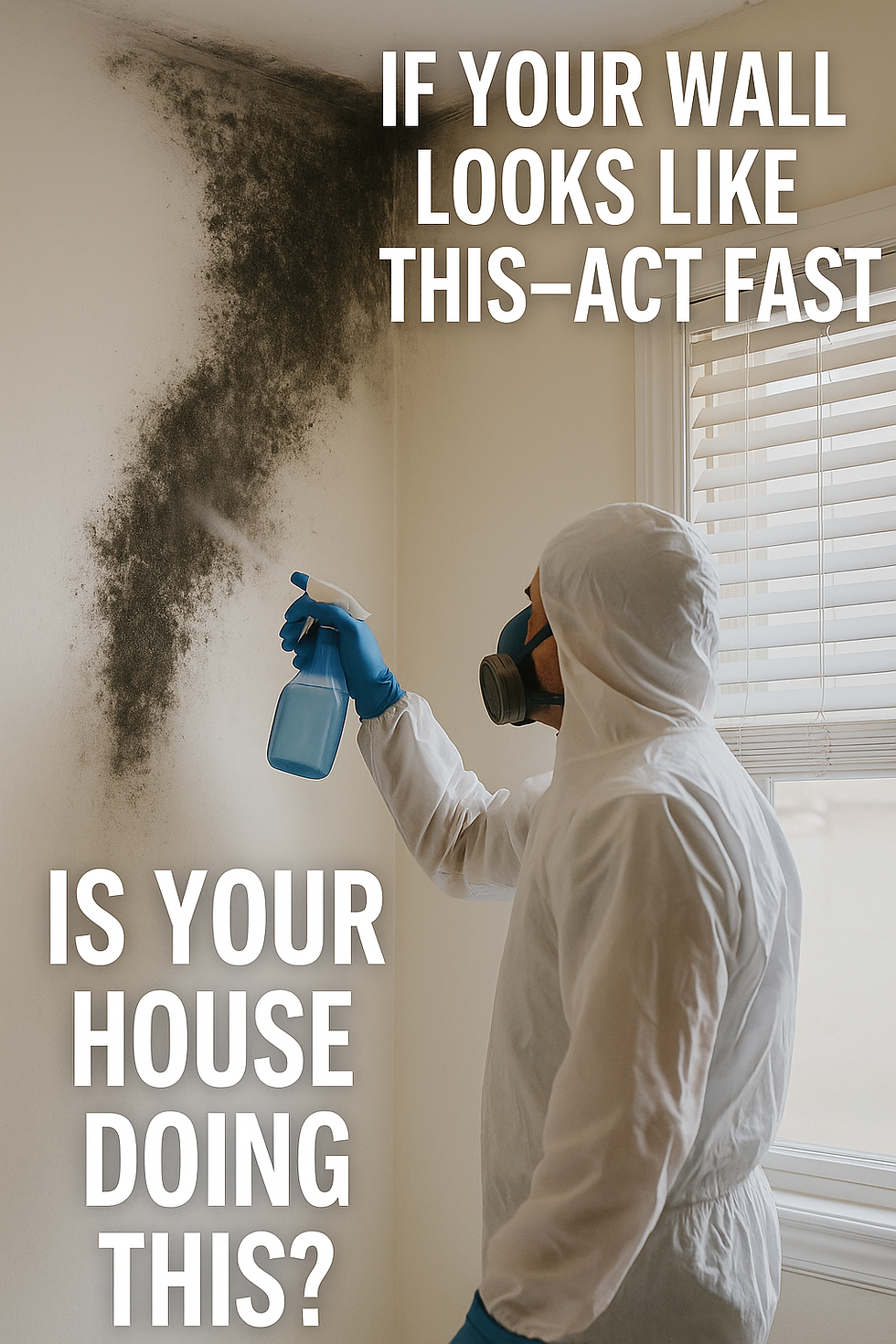
Mold isn’t just a cosmetic issue. When you see mold on walls, ceilings, or window trim, it’s usually a symptom of a deeper moisture problem.
Moisture + organic material + time = mold growth.
If mold is visible on the surface, there’s a strong chance moisture is also inside:
drywall
insulation
framing
flooring
crawlspace materials
That’s where damage really begins.
Common Signs of Mold Homeowners Miss
You may be seeing mold without realizing it. These are the top indicators inspectors look for:
1. Black or dark speckled patches
Often found in:
corners
behind furniture
closets
exterior walls
2. Brown or yellow water stains
Even if dry now, these stains can indicate:
past roof leaks
plumbing leaks
condensation problems
3. Peeling or bubbling paint
Moisture behind the paint layer = trapped water.
4. Musty odors
If the smell comes and goes, the moisture source may be intermittent.
5. Condensation on windows
Often a sign of:
high indoor humidity
poor ventilation
hidden moisture
What This Pattern Tells Us (Inspector’s Perspective)
Certain mold patterns tell a specific story:
Mold in corners
Often caused by air leakage + cold surfaces, leading to condensation.
Mold around windows
Typically from high humidity, not always a window leak.
Mold in streaks or trails
May indicate:
roof penetration leaks
plumbing lines leaking
water running inside the wall
Mold spreading outward in a fan-shape
Strongly indicates an active water source behind the wall or ceiling.
The #1 Cause: Hidden Moisture
Most mold is caused by hidden water you can’t see:
loose roof flashing
damaged shingles
unsealed siding
leaking plumbing lines
condensation from uninsulated ductwork
high humidity in attics and crawlspaces
water intrusion at windows and doors
Mold is the symptom. Moisture is the problem.
Tools Every Homeowner Should Use to Verify Moisture (Inspector Recommended)
(Place your Amazon affiliate links here)
1. Moisture Meter
Allows you to test drywall, baseboards, and ceilings for hidden moisture.
2. Hygrometer
Measures humidity levels in attics, crawlspaces, and rooms.
3. Leak Detector Alarm
Catches slow leaks in bathrooms, laundry rooms, and kitchens.
4. High-Lumen Flashlight
Essential for checking corners, closets, and behind appliances.
Is This Dangerous?
Mold can affect:
indoor air quality
allergies
respiratory conditions
building materials
home value
But the real danger is the moisture causing the mold.
Left untreated, it can lead to:
rotted framing
ruined drywall
buckled floors
attic and crawlspace decay
pest attraction
Can You Clean Mold Yourself?
Yes, small surface-level mold (under 10 square feet) can be cleaned by a homeowner using:
detergent + water
EPA-approved mold cleaner
proper PPE (gloves, mask, goggles)
BUT…
❗ If the mold is:
larger than 10 sq ft
keeps coming back
near electrical components
caused by a roof or plumbing leak
in the attic or crawlspace
…You should have it professionally inspected.
When You Should Call a Certified Inspector
You should contact a professional when:
✔ The mold covers a large area✔ You see stains spreading or getting darker✔ The wall feels soft, swollen, or damp✔ The smell is getting stronger✔ You’ve had recent leaks or storms✔ You're buying or selling a home
A proper inspection identifies:
the type of moisture source
the extent of damage
where water is entering
whether mold is behind the walls
the repairs needed
Schedule a Mold & Moisture Inspection
If you're seeing any of the signs in this article, it’s important to address the issue before it becomes more costly.
Chiefs Inspection Services provides:
Certified Master Inspector expertise
Moisture readings
Thermal imaging
Crawlspace & attic evaluation
Roof leak detection
A clear, actionable report
📞 Call: 404-901-6070🌐 ChiefsInspectionServices.com
Protect your home, your health, and your investment.



Comments